NIGHTTIME NOTES
Why Does Your Face Look Different After a Restless Night?
Some mornings, the face in the mirror seems unfamiliar: the eyes look less open, the skin appears less even, and the expression feels heavier.
Research suggests that sleep loss can influence the visual cues people read as fatigue. But one difficult night is not a diagnosis, and it is not evidence that the face has permanently changed.
DANGEL EDITORIAL • 7 MIN READ
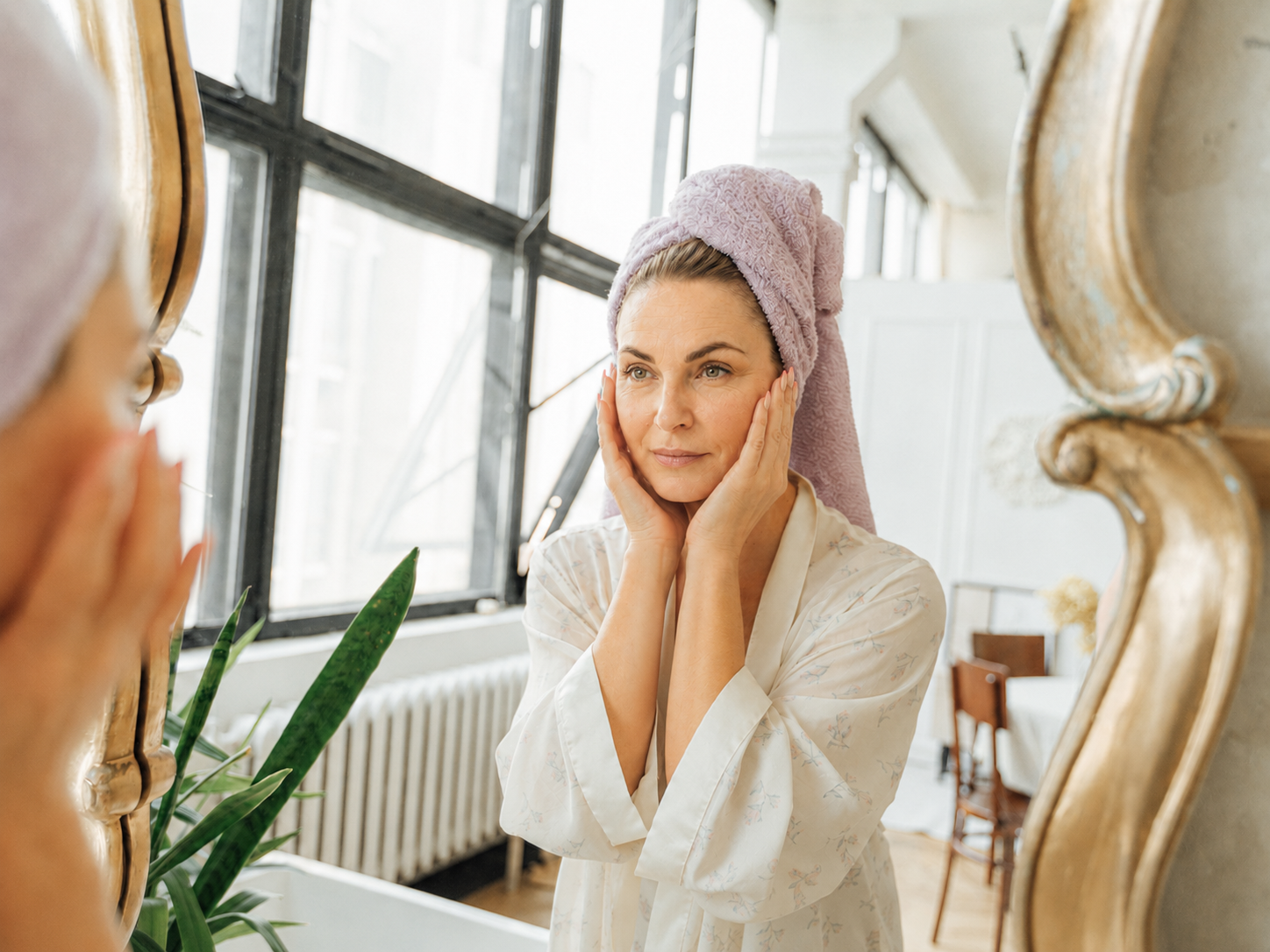
There are mornings when the face in the mirror seems to have changed faster than time could reasonably explain.
The eyes look smaller. The skin appears less even. A familiar expression seems heavier. It can feel as though the face aged overnight.
It probably did not.What often changes after a restless night is not one dramatic feature, but several small visual cues appearing at the same time. Together, they can make the whole face look unfamiliar.
The eyes usually reveal the night first
The eye area carries much of what people recognize as tiredness. Small changes in eyelid position, eye openness, redness, swelling and under-eye darkness are easy to notice because the eyes sit at the center of facial expression.
In controlled studies, sleep-deprived faces were more often perceived as having heavier eyelids, redder or more swollen eyes and darker circles beneath them.
But dark circles are not created by sleep alone. Pigmentation, visible blood vessels, skin thickness, facial anatomy and heredity also influence how the under-eye area looks.
A difficult night may make an existing feature more visible without being the original cause of that feature.Morning puffiness can change the shape of familiar features
The tissues around the eyes are delicate, so even subtle puffiness can change the way the eyelids, cheekbones and under-eye shadows appear.
Fluid can collect in facial tissues overnight, especially around the eyes. This does not always mean that something is wrong; ordinary morning puffiness often becomes less noticeable after the body has been upright and moving for a while.
The effect can also appear stronger after a short or interrupted night because the eyes may look less open at the same time.
This combination—slightly more volume around the eyes and slightly less eye openness—can make the face seem heavier than it did the evening before.
Skin tone, hydration and light can alter the impression
A face can look less bright after poor sleep even when no single blemish or line has changed dramatically.
Small studies have found temporary changes in facial skin appearance after sleep restriction, including differences in perceived color and reduced skin hydration during repeated nights of limited sleep.
Hydration affects the way the surface of the skin reflects light. When the skin looks less smooth or less luminous, shadows and fine lines may become easier to notice.
Morning lighting can intensify the effect. Cool overhead light, a magnifying mirror or sunlight hitting the face from the side may reveal texture that was invisible in softer evening light.
Sometimes the face has not changed as much as the conditions in which it is being observed.“Several small signs of fatigue can appear together and make the whole face feel unfamiliar.”
— DANGEL EDITORIAL
Why the expression can look heavier
A tired face is not only about the skin.
People naturally use the eyes and mouth to read emotion and energy. Less-open eyes, a more neutral mouth and reduced facial animation can create an impression of heaviness even when the underlying features are unchanged.
This helps explain why a photograph taken after a restless night may feel especially unforgiving: the camera captures a fraction of a second without the movement, warmth and expression that normally make a face feel alive.
01
Give the face time to arrive in the morning
Try not to make a final judgment during the first few minutes after waking.
Sit upright, move around, open the curtains and let the morning begin. Temporary puffiness and the heavy expression of waking may soften naturally as the body becomes more alert.
02
Look in natural light, not the harshest light available
Bathroom lighting can exaggerate shadows, texture and color differences.
Natural, indirect daylight offers a more balanced view. A magnifying mirror is useful for precise tasks, but it is rarely a fair place to evaluate the face as a whole.
03
Use a cool compress rather than an aggressive treatment
A clean, comfortably cool cloth placed over closed eyes for a few minutes can help the eye area feel refreshed and may reduce the appearance of temporary puffiness.
Avoid placing ice directly on the skin or rubbing the delicate eye area.
04
Keep the morning skincare familiar
A tired-looking morning is not the best moment to introduce several strong or unfamiliar products.
A gentle cleanse or rinse, a comfortable moisturizer and daytime sun protection can be enough. The goal is to support the skin, not punish it for reflecting a difficult night.
05
Notice whether the change is temporary
Ask what the face looks like an hour later—not only in the first mirror of the day.
If the appearance becomes more familiar as puffiness settles, the eyes open and the expression returns, that context matters. One morning should not be treated as a permanent conclusion.
Why buying another product may not answer the question
When the face looks tired, skincare becomes an easy place to search for control. A new eye cream or serum feels like a direct response to something visible.
But a product cannot change the fact that eye openness, expression, lighting, temporary puffiness and skin hydration may all be influencing the mirror at once.
This does not make skincare unimportant. It simply means the answer may not be another product.
Sometimes the most useful response is to protect the next night, simplify the morning and allow temporary changes to pass before deciding that the routine has failed.
The answer many people are quietly looking for
A face that looks older or more tired after a restless night has probably not aged overnight.
It may be showing a collection of temporary cues: eyes that are less open, mild puffiness, deeper-looking shadows, less luminous skin and an expression that has not fully awakened.
Because these changes appear together, the difference can feel larger than any single change actually is.
The beginning of the solution is not to fight the face. It is to understand the morning, respond gently and give the body another opportunity to rest.If a facial or eye-area change is persistent, unusual or uncomfortable, professional guidance is appropriate. But an ordinary tired-looking morning does not need to become a beauty emergency.
READ NEXT
The Beauty Ritual That Begins When the Lights Go Out
Explore the editorial perspective behind beauty sleep, nighttime self-care and the rituals that continue after the final skincare step.
Sources & Further Reading
DANGEL
Beauty, self-care and nighttime rituals.
© 2026 Dangel. All rights reserved.
Dangel provides editorial and informational content and does not provide medical advice.